
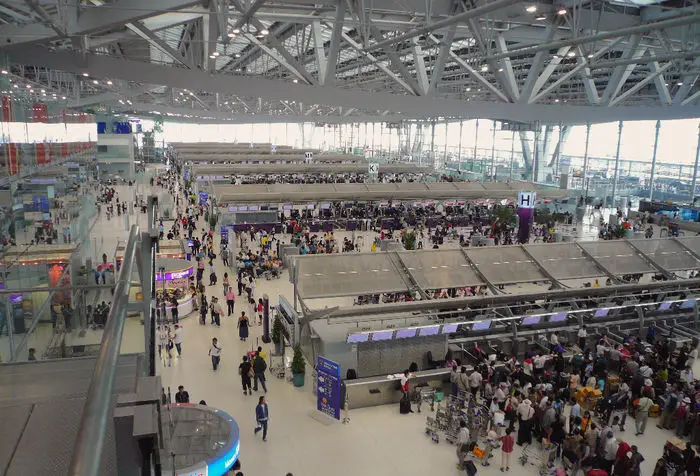
Denied, Detained, Turned Away: Why Foreigners are suddenly being stopped at Thailand’s Borders
For years, Thailand felt like a safe haven for long-stay travelers. Fighters, digital nomads, backpackers, remote workers – people built entire routines around training, working, and living here. Visa runs became normal. Border stamps felt routine. Immigration desks were just another stop on the journey.
That sense of ease is disappearing.
In recent months, a growing number of foreigners have been denied entry, pulled aside for questioning, or even detained for hours at Thai airports and land borders. Some were put on the next flight out the same day. Others were held overnight. Many never saw it coming.
This is not a rumor. It’s not social media panic. It’s happening – and if you train Muay Thai, work remotely, or live long-term in Thailand, you need to understand what’s changed.
The New Reality at Thailand’s Borders
The stories all sound similar.
You land after a short trip out of the country. Passport in hand. Bags packed. Training scheduled for the next morning. Then immigration scans your passport… and pauses.
Questions start coming.
How long have you been in Thailand?
Why so many entries?
Where are you staying?
How much money do you have?
What visa are you on – and what are you really doing here?
For some travelers, this is where things turn uncomfortable. Passports are taken. Phones are checked. You’re asked to wait. Minutes turn into hours. In some cases, travelers are escorted to a secondary room, separated from their belongings, and told they are not permitted to enter Thailand.
A few are temporarily detained while arrangements are made to remove them from the country.
No warning, no grace period. Just a stamp – or the absence of one.
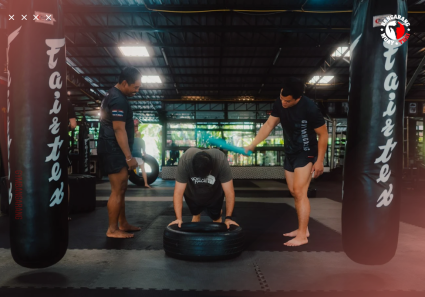
Why is this happening Now?
Thailand hasn’t “changed overnight,” but enforcement has.
For years, immigration rules existed mostly on paper. Visa runs were tolerated. Long stays on tourist visas were common. As long as you didn’t cause trouble, you were usually waved through.
That era is ending.
Thai immigration is under pressure to:
- Reduce long-term stays on inappropriate visas
- Crack down on people effectively “living” in Thailand without proper documentation
- Enforce financial requirements more strictly
- Identify travelers using tourism visas for work or training
The result? Stricter border interviews, deeper passport history checks, and less flexibility.
The Most common Reasons Foreigners are Denied Entry
From recent cases, patterns are clear.
Too many Visa Runs
If your passport shows repeated exits and re-entries every 30–60 days, immigration may assume you are residing illegally, even if you’ve never overstayed.
It doesn’t matter if you trained every day or lived quietly. To immigration, repeated visa runs signal misuse of tourist privileges.
No clear Visa Purpose
Saying “I’m just visiting” while carrying gym gear, laptop, or staying months at a time raises flags.
Training Muay Thai long-term is not tourism in the eyes of immigration – unless you have the correct visa.
Insufficient Bank Balance
Officers may ask to see proof of funds. If you can’t show access to money (digitally or physically), entry can be denied on the spot.
This surprises many travelers, but it’s fully within immigration’s authority.
Vague Accommodation or Plans
Not knowing where you’re staying, how long you’ll be there, or what your plan is looks suspicious.
“I’ll figure it out later” is no longer acceptable at the border.
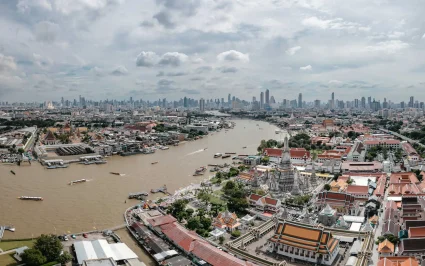
What “Detained” Actually Looks Like
When people hear “detained,” they imagine jail cells.
The reality is usually less dramatic, but still deeply stressful.
You may be:
- Held in a small immigration room
- Asked to sit for hours without clear answers
- Separated from your phone or passport
- Supervised while waiting for the next outbound flight
You’re not under arrest, but you’re also not free to leave.
For travelers who thought Thailand was their second home, this moment is shocking. Embarrassing. Sometimes humiliating…
And expensive.
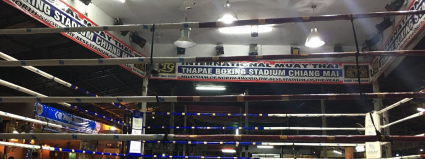
Why Muay Thai Fighters are especially affected
Fighters fall into a gray zone.
You’re not a tourist, but you’re also not officially employed. You train daily, stay long-term and may fight. You may earn money or sponsorships.
From immigration’s perspective, that’s activity beyond tourism.
This is why fighters without:
- Education (ED) visas
- Proper long-term visas
- Clear training documentation
are increasingly questioned – and sometimes denied entry entirely.
Chiang Mai, Phuket, Bangkok — No Place is immune
Some people assume this only happens at land borders or smaller airports.
That’s no longer true.
Cases are being reported at:
- Suvarnabhumi (Bangkok)
- Chiang Mai International Airport
- Phuket Airport
- Koh Samui Airport
- Laos and Malaysia border crossings
The enforcement is nationwide, not local.
The Psychological Toll Nobody talks about
Being denied entry isn’t just a logistical problem.
It hits harder than that.
You’ve built a routine. A community. A gym. A rhythm. Suddenly, you’re forced out – often with no chance to say goodbye or collect your things properly.
For fighters, it’s devastating, for remote workers, it disrupts income and for long-stay travelers, it creates anxiety that lingers long after.
Many describe the experience as one of the most stressful travel moments of their lives.
How to Protect Yourself going forward
Instead of fear, you’ll need preparation.
Thailand is still welcoming, but it now expects clarity and compliance.
If you plan to train Muay Thai or stay long-term, you should seriously consider:
- A proper training or education visa
- Clear documentation of your gym and accommodation
- Proof of funds accessible on your phone
- A coherent explanation of why you’re in Thailand
Border officers don’t want stories. They want you to follow their law.
The Safer Path: Doing it the Right Way
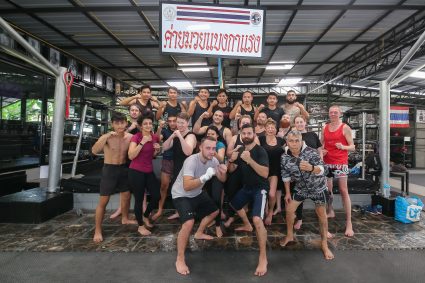
More gyms are adapting to this reality by helping travalers and fighters to stay compliant.
At Gym Bangarang, this shift is taken seriously.
Training packages are structured with long-term stays in mind. Visa pathways are discussed upfront. No guessing, no last-minute border runs, no rolling the dice at immigration.
When your training, accommodation, and visa status are aligned, borders stop being stressful – and start being just another checkpoint on the journey.
Thailand is Still Worth it — but Not on Luck alone
Thailand hasn’t closed its doors.
But it has stopped looking the other way.
If you treat Muay Thai training as a lifestyle, not a holiday, your visa should reflect that. The days of endless visa runs and vague explanations are fading fast.
The fighters who adapt will stay.
The ones who don’t may find themselves detained, denied, and sent back – confused and unprepared.
Plan smart. Train hard. And don’t let a stamp decide your future.
With Gym Bangarang you can get a long-term Muay Thai Visa or a 5 Year DTV (Destination Thailand Visa). Never get questioned or detained at the airport again!
Check out our website and packages for more: www.gymbangarang.com