
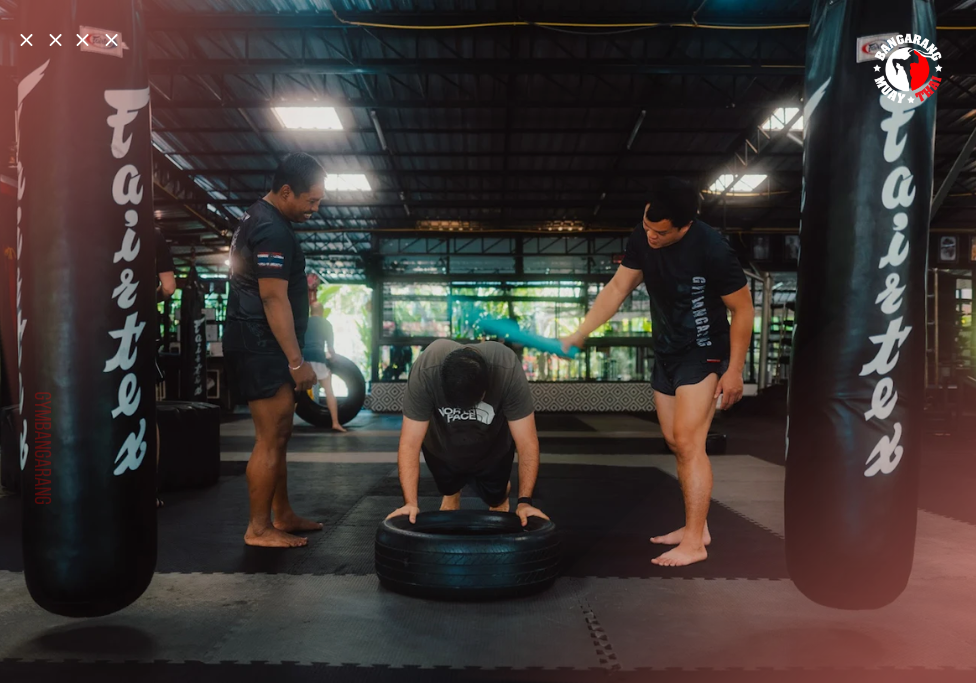
Training Muay Thai in Thailand is a dream for many fighters, fitness enthusiasts, and travelers. The idea of learning authentic techniques, training under experienced Thai coaches, and immersing yourself in the culture that gave birth to Muay Thai is incredibly appealing. But your first Muay Thai training camp in Thailand can also feel overwhelming if you’re not properly prepared.
From physical conditioning to mindset, gear, and choosing the right gym, preparation plays a huge role in how successful and enjoyable your experience will be. This guide will walk you through everything you need to know before stepping into a Muay Thai gym in Thailand, especially if it’s your first time.
Understand What a Muay Thai Training Camp Is Really Like
Before you book flights or search for a Muay Thai gym near me, it’s important to understand how training camps in Thailand operate. Training is typically more intense than what many people are used to back home. Most camps run two sessions per day, six days a week.
Morning sessions often focus on roadwork, shadowboxing, pad work, and technique. Afternoon or evening sessions usually include more conditioning, clinching, and sparring. This structure applies whether you’re training in Bangkok, Phuket, or Muay Thai Chiang Mai, one of the most popular locations for serious yet balanced training.
The goal isn’t just fitness it’s skill development, discipline, and consistency.

Build a Fitness Base Before You Arrive
You don’t need to be a professional fighter before arriving in Thailand, but showing up completely unprepared can lead to burnout or injury. Preparing your body ahead of time will help you adapt faster and enjoy your training.
Focus on:
-
Cardio endurance (running, skipping rope, cycling)
-
Basic strength training (bodyweight squats, push-ups, core work)
-
Flexibility and mobility, especially hips, shoulders, and ankles
Even light shadowboxing at home can help you feel more comfortable once you step into a Chiang Mai Muay Thai gym or any camp in Thailand.
Choose the Right Muay Thai Gym in Thailand
Not all gyms are the same. Some focus heavily on fighters, others cater more to fitness tourists. Choosing the right Muay Thai gym can define your entire experience.
When researching, look for:
-
Qualified and experienced trainers
-
A clean and safe training environment
-
A gym that welcomes beginners as well as experienced students
-
Reasonable class sizes for proper instruction
If you’re searching for Muay Thai Chiang Mai, gyms like Gym Bangarang are known for offering traditional Muay Thai training in a calm, professional environment. Founded in 2014 and recognized by Thailand’s Ministry of Education, Gym Bangarang focuses on proper technique, safety, and real progress rather than overcrowded sessions.
This kind of structure is ideal for first-time trainees.
Pack the Right Gear (But Don’t Overpack)
Many first-time visitors overpack. The truth is, most Muay Thai gyms in Thailand sell affordable, good-quality gear locally.
What you should bring:
-
2–3 pairs of training shorts
-
Lightweight training shirts or tank tops
-
Hand wraps (very important)
-
Running shoes
-
Flip-flops or sandals
You can easily buy gloves, shin guards, and additional gear once you arrive. Training in Thailand means sweating a lot so breathable clothing is essential.
Prepare Mentally for Traditional Training
One of the biggest adjustments for newcomers isn’t physical it’s mental.
Traditional Muay Thai training in Thailand is disciplined and respectful. Coaches may not talk much, but their guidance is precise. You’re expected to listen, observe, and put in consistent effort.
Progress doesn’t come overnight. Some days will feel tough. Others will feel incredibly rewarding. Approaching your training with patience and humility will help you gain the respect of trainers and fellow students.
This mindset shift is a key part of the Muay Thai experience.
Eat and Recover Like a Fighter
Training twice a day demands proper nutrition and recovery. Thailand offers fresh, affordable food that supports intense training.
Focus on:
-
Lean protein (chicken, eggs, fish)
-
Rice and complex carbs for energy
-
Fresh fruits for hydration and recovery
-
Plenty of water and electrolytes
Rest is just as important as training. Listen to your body, take rest days when needed, and don’t ignore minor injuries.
Adjust to Thailand’s Climate
Thailand’s heat and humidity can be a shock, especially for those training for the first time. Expect to sweat more than ever before.
Tips to adapt:
-
Stay hydrated throughout the day
-
Train at your own pace initially
-
Wear light, breathable clothing
-
Take midday breaks seriously
Gyms in places like Chiang Mai Muay Thai gym locations often offer a more relaxed environment compared to busier tourist cities, making it easier to adapt.
Set Realistic Goals for Your Training Camp
It’s easy to arrive with high expectations. Some people want to lose weight, others want to fight, and many simply want to learn authentic Muay Thai.
Set realistic goals:
-
Improve technique
-
Increase endurance
-
Build confidence
-
Learn traditional Muay Thai fundamentals
Even a few weeks at a reputable Muay Thai gym in Thailand can create noticeable improvements if you stay consistent.
Respect the Culture
Muay Thai is deeply connected to Thai culture. Showing respect goes a long way.
Simple gestures matter:
-
Wai (Thai greeting) your trainers
-
Keep the gym clean
-
Be respectful to everyone, regardless of level
Understanding and respecting the culture enhances your experience and helps you connect more deeply with your training.
Final Thoughts: Make the Most of Your First Muay Thai Camp
Your first Muay Thai training camp in Thailand will challenge you physically and mentally but it can also be one of the most rewarding experiences of your life.
By preparing your body, choosing the right gym, packing smart, and approaching training with respect and patience, you’ll set yourself up for success.
Whether you train in Bangkok, Phuket, or at a Muay Thai Chiang Mai location like Gym Bangarang, the experience goes far beyond fitness. It’s about growth, discipline, and learning Muay Thai the way it was meant to be taught.