
How to avoid Injuries during Muay Thai Training
Training Muay Thai in Thailand or anywhere else is an intense experience. The sport is demanding on both body and mind. While the grind builds toughness, it also comes with risks. Almost every training participant has dealt with shin bruises, sprained ankles, sore shoulders or even skin infections picked up from sweaty gym mats. The key isn’t to avoid training hard – it’s to train smart, recover properly and take prevention seriously. With the right habits, you can extend your training longevity and stay consistent in the gym without taking a injury-break.
Warm-up like a Fighter
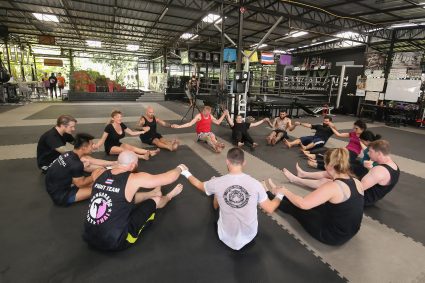
Many injuries happen simply because people jump straight into sparring or pad work without preparing their bodies. A proper warm-up should raise your heart rate, loosen stiff joints and get your muscles ready for impact. Skipping this step might save 10 minutes, but it can cost you weeks on the sidelines. In Muay Thai gyms across Thailand you’ll often see fighters start with a run before training. That 20-30 minutes of light jogging is not just tradition – it’s injury prevention. After running, add dynamic stretches like hip circles, arm swings and hamstring stretches. The goal is to get everything activated before you throw your first kick.
Technique first, Power second
One of the most common ways beginners get hurt is by going too hard and too fast. Slamming kicks into the heavy bag without proper hip rotation or balance puts pressure on knees and lower back. Throwing punches with only arm power strains shoulders and elbows. It’s tempting to go full power every round, especially when you see the local thais smashing pads, but patience pays off. Build correct form first. Once your technique is clean, you can add speed and power. Coaches in Thailand will always remind you: smooth is fast, and fast becomes strong.
The role of Recovery in staying Injury-Free
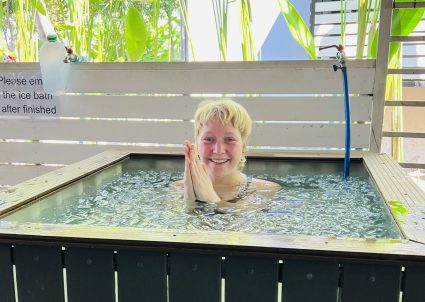
Recovery isn’t being lazy, it’s also a kind of training. When you rest, your muscles repair, your nervous system resets and your energy refills. Without recovery, injuries are almost guaranteed. Ice baths, massage and good sleep are standard for professionals. If you’re training twice a day, naps in between sessions can work wonders. And don’t forget about simple stretching at the end of each training day. Flexibility in the hips, hamstrings and lower back helps absorb impact and keeps your body aligned.
Traditional remedies Thai Fighters use
Training in Thailand comes with it comes practical remedies that locals swear by. Every gym has bottles of Namman Muay oil lying around. Fighters rub it on shins, knees or sore shoulders before or after training. The warming effect increases blood flow, reduces stiffness – and helps with recovery. Similarly, Tiger Balm is a staple. The cooling menthol can ease muscle pain and provide relief after heavy sparring. Don’t underestimate these simple tools – they’re cheap, available in 7-11’s and Pharmacies.
Skin Care and Hygiene are Overlooked
Injuries in Muay Thai aren’t just broken bones or torn ligaments. Many fighters deal with skin infections from clinching, sweaty pads and used gym mats. Staph infections can spread quickly and even end up serious if untreated. Prevention is simple: shower immediately after training and always use anti-bacterial soap. Keep your own gloves, shin guards, and hand wraps clean (or find a Gym that does constantly). Wash wraps daily and air out gloves after every session. It might sound basic, but hygiene is just as important as shin conditioning.
Listen to your Body before it breaks
Muay Thai practitioners often pride themselves on pushing through pain. That’s part of the sport. But there’s a difference between soreness and injury. Sharp, stabbing pain in a joint? Stop. Swelling that gets worse overnight? Rest. Ignoring these warning signs can turn a minor tweak into a long-term problem. Many pros in Thailand will tape their ankles or wear compression sleeves not because they’re weak, but because they’ve learned to protect old injuries. Don’t see recovery tools as weakness – see them as part of your weapon set.
Smart Training Partners and controlled Sparring
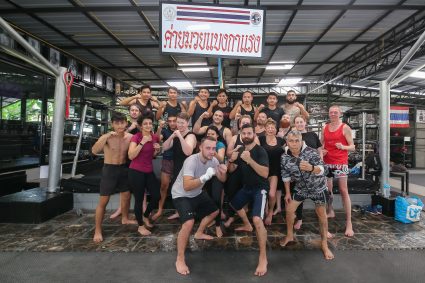
The wrong sparring partner is a recipe for injuries. If someone is going 100% every round, throwing wild elbows or trying to “win” sparring, walk away. Good sparring is technical, controlled and meant to build skills. Hard sparring has its place, but not every session should be a war. When you choose smart partners and communicate about intensity, you’ll both improve without collecting unnecessary injuries along the way.
Nutrition and Hydration for Joint and Muscle Health
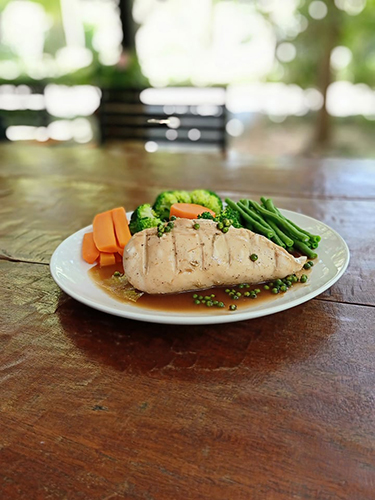
What you put into your body directly affects how well you recover. A fighter’s diet should focus on lean protein for muscle repair, carbs for energy and healthy fats for joint health. Omega-3 fatty acids from fish or supplements can reduce inflammation, while fruits and vegetables provide the vitamins your body needs for healing. Hydration is equally critical – dehydration makes muscles more prone to cramps and tears. In humid climates like Thailand, adding electrolytes or even coconut water helps maintain balance.
Mental Approach: Injuries as part of the Journey
No matter how careful you are, small injuries will happen. Bruises, shin bumps or sore knuckles are part of Muay Thai. The important thing is not to let frustration get in the way. Injuries teach patience, humility and discipline. They force you to slow down, focus on technique and sometimes work on areas you would otherwise ignore – like footwork, balance or even film study. Instead of seeing injuries as setbacks, view them as lessons in longevity.
Train hard AND train smart
Avoiding injuries in Muay Thai is about combining old-school toughness with modern knowledge. Warm up properly and use traditional tools like Namman Muay oil and Tiger Balm to keep your body moving. Stay clean with antibacterial soap to protect your skin. Eat well, hydrate and listen to your body when it whispers before it screams. If you do these consistently, you’ll be able to train longer, fight more often and truly enjoy the journey of Muay Thai.
If you want to train Muay Thai in Thailand in a safe environment, check out our Muay Thai packages at Gym Bangarang in beautiful Chiang Mai, Thailand.