
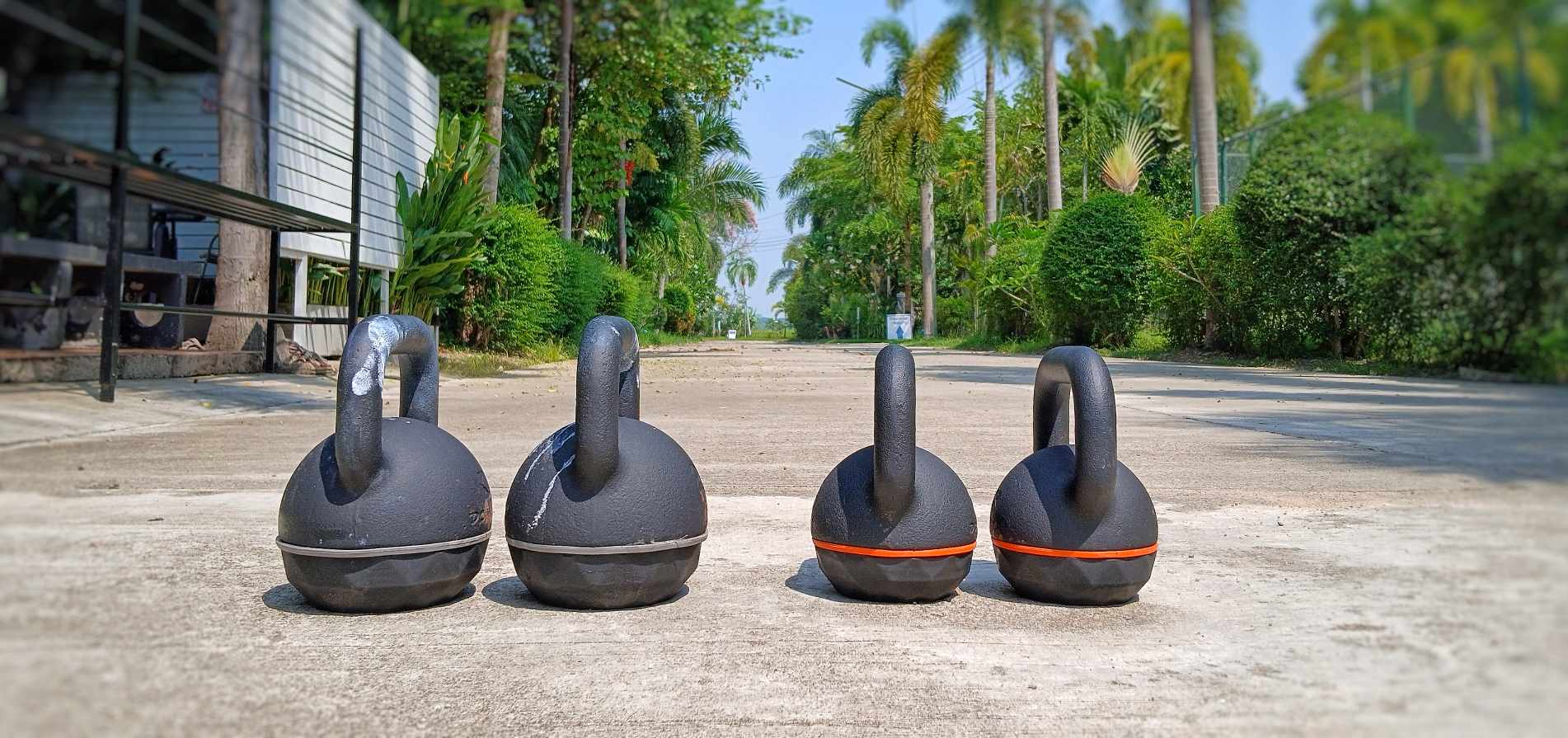
How Fighters and Digital Nomads train, work and avoid Burnout
Thailand has quietly become one of the most interesting places in the world for a very specific type of person: someone who wants to train Muay Thai seriously, but also needs to work online to fund the lifestyle. Fighters, freelancers, entrepreneurs, remote employees – all sharing the same rhythm of morning trainings, laptops, iced coffees, and afternoon pad rounds.
On paper, it sounds perfect. Train in the birthplace of Muay Thai. Live cheaply. Work remotely. Build your body and your career at the same time.
In reality, this balance is fragile. Many people arrive motivated, overcommit in the first weeks, and burn out just as fast. Others find a rhythm that allows them to stay for months or even years, improving steadily without destroying their health or productivity.
This is how people who make it work actually structure their days, their weeks, and their mindset.
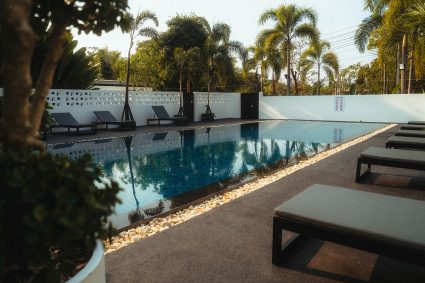
Why Thailand works so well for this Lifestyle
Thailand isn’t just popular because of beaches or cheap food. It works because the environment supports routine.
Muay Thai gyms run on structure. Morning training starts early. Afternoon sessions are fixed. Trainers expect consistency, not excuses. At the same time, Thailand has some of the best infrastructure in the world for remote work: fast internet, cafés everywhere, affordable apartments and a culture that doesn’t revolve around late nights and alcohol if you don’t want it to.
Places like Chiang Mai especially attract people who want focus. Fewer distractions than beach towns, lower costs and a community of people who are also trying to improve something in their lives: fitness, business, mindset, or all three.
The result is a lifestyle where discipline feels normal instead of extreme.
The Daily Rhythm: How training and work actually fit together
Most people who successfully combine Muay Thai and remote work build their day around training, not the other way around.
The foundation is the morning session. Early runs, skipping rope, pad work, clinch. This is when energy is highest and distractions are lowest. Training in the morning sets the tone for the entire day. You’ve already done the hardest thing before most people wake up.
After training, the focus shifts to recovery and work. Food, a shower, maybe a short nap. Then work blocks start late morning or early afternoon. Many remote workers aim for two deep-focus work sessions instead of trying to work all day. 3 to 4 high-quality hours is often enough when combined with physical training.
The second training session usually comes in the late afternoon or early evening. Pads, sparring, conditioning. It’s harder mentally and physically, especially in the heat, but it’s also where discipline is built. After that, dinner, light stretching and an early night.
People who burn out usually try to add too much on top of this. Night work calls, heavy social life, daily double sessions with no rest. The ones who last simplify instead of stacking more.\
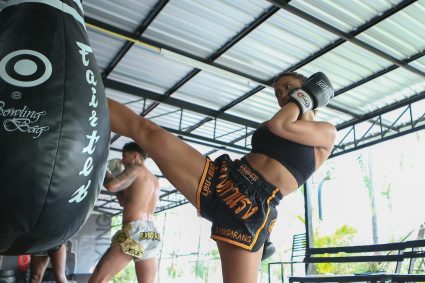
Managing Energy, not just time
The biggest mistake remote-working fighters make is thinking burnout comes from bad scheduling. In reality, it comes from unmanaged energy.
Muay Thai drains the nervous system. Heat, impact, intensity – all of it adds up. If you treat your workday the same way you did before training twice a day, something will break. Either your training quality drops or your work suffers.
Those who last learn to adjust expectations. Productivity doesn’t mean 8 hours behind a laptop. It means doing the most important tasks when the brain is fresh and letting go of unnecessary work. Meetings get reduced. Tasks get batched. Notifications get muted.
Recovery becomes non-negotiable. Afternoon naps are normal. Thai massages aren’t a luxury, they’re maintenance. Even simple habits like elevating your legs after training or doing ten minutes of mobility before bed make a difference over weeks and months.
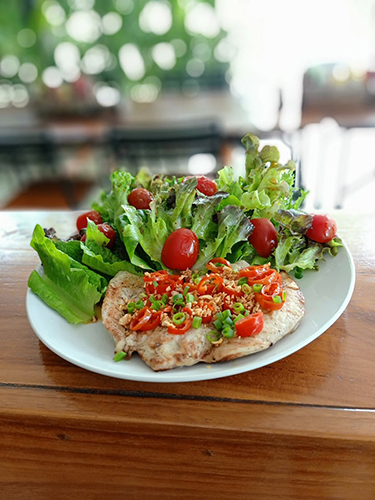
Nutrition: Fueling Two demanding Lifestyles
Food is another silent factor in burnout. Training Muay Thai while working remotely requires more fuel than people expect, especially during the first months.
Many underestimate how much they sweat and how quickly dehydration builds up. Electrolytes are essential. Simple things like coconut water, electrolyte powder or lightly salted meals help maintain energy levels throughout the day.
Meals tend to be simple and repetitive for those who train consistently. Rice, chicken, eggs, vegetables and soups. Heavy Western food, excessive sugar and alcohol quickly catch up with you when combined with training volume.
The goal isn’t perfection. It’s consistency. Eating enough, eating clean most of the time, and not letting work stress push you into poor habits.
The Mental Side: Switching between Fighter and Nomad
One of the strangest parts of this lifestyle is switching identities multiple times a day. In the morning, you’re a fighter getting shouted at on pads. Two hours later, you’re answering emails, leading meetings or solving problems online.
That transition is mentally demanding. People who struggle often carry the intensity of training into their work or the stress of work into the gym. Over time, this creates friction and exhaustion.
Those who manage it well build small rituals to separate the two worlds. A shower and a change of clothes after training. A short walk before opening the laptop. Music, coffee, or a specific workspace that signals “work mode.”
Training becomes a place to disconnect from work, not think about it. Work becomes a place to sit, breathe, and use the discipline learned in training.
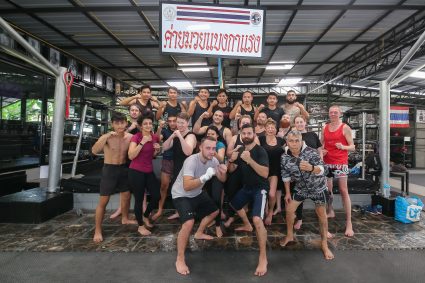
Community matters more than Motivation
Motivation fades quickly in Thailand. Heat, soreness, and repetition strip it away. What replaces it is the environment.
Being surrounded by others who train consistently and work remotely normalizes the lifestyle. Skipping sessions feels harder when everyone else shows up. Overworking feels unnecessary when you see others protecting their recovery.
Gyms that gather a community (not just hard training), play a huge role here. Conversations during breaks, shared meals after training, quiet encouragement instead of pressure. These small interactions keep people grounded and reduce burnout.
Isolation, on the other hand, accelerates it. People who train alone, work alone, and live alone are more likely to overthink, overtrain and quit early.
Knowing when to pull back
One of the hardest skills to learn in Thailand is restraint. The gyms are always open. Training partners are always hungry. There’s always another session you could join.
But long-term progress comes from knowing when to ease off. Skipping a session because you’re exhausted isn’t a weakness. Neither is taking a full rest day or reducing training volume during intense work periods.
The fighters and nomads who stay the longest aren’t the ones who train the hardest every day. They’re the ones who adjust intelligently, listen to their bodies and think in months and years instead of days.

Why Chiang Mai makes this Balance easier
Chiang Mai stands out because it supports this balanced approach naturally. The pace is slower. The cost of living is lower. Distractions are fewer. It’s easier to say no to nightlife and yes to routine.
The environment encourages early mornings, focused work and recovery. Cafés are calm, Gyms are serious but welcoming. Nature is close enough to escape on rest days.
For many remote workers and fighters, Chiang Mai becomes less of a temporary stop and more of a base.
Training at Gym Bangarang while working Remotely
At Gym Bangarang, many athletes live this exact lifestyle. Training hard without burning out. Working remotely without losing focus. The gym structure supports exactly that – with sessions that challenge you but a gentle understanding that you can’t give it all every single day (because of work or a tight schedule).
Being based in Mae Rim, surrounded by nature, makes recovery much easier. You train, work, eat, rest and repeat. No pressure to perform, the focus is on steady progress.
For fighters, nomads, and anyone trying to build something long-term, that balance matters the most.
Join our Camp now
Combining Muay Thai and remote work in Thailand isn’t about squeezing more into your day… Train with intention. Work with focus. Recover without guilt. Build routines you can sustain, not ones that impress on Instagram.
Thailand gives you the environment. Muay Thai gives you the discipline. The rest is learning to listen – to your body, your energy and your limits.
If you get that right, this lifestyle isn’t something you survive. It’s something you grow into.
Check out our Camp, Villa Accomodation and Muay Thai packages here!