

How to extend your stay in Thailand as a Muay Thai Tourist?
For many travelers, Thailand quickly becomes more than just a place to train. The rhythm of morning muay thai training and the “everyday grind” of gym life has a way of pulling you in. But to stay long-term? That’t not always easy and requires a plan!

Visa options every Tourist should know
Most visitors start with a tourist visa or a visa exemption stamp. These usually give you 60 days and you can extend them once for 30 more days at immigration. It’s a simple process: Bring your passport, a photo and the 1,900 baht fee to your local immigration office. But if you’re hoping to make Thailand your training and home base, then constant renewals get tiring.
That’s where the Education Visa comes in. Many gyms work with accredited schools to offer a 6-12 month training visa. Instead of risky extensions every few weeks, you can focus on training while learning the language on the side (2-3 times a week). Think of it as the fighters-student-visa, paperwork handled and gloves on.
There are also Non-Immigrant visas (O or B) for professional fighters with contracts. They’re harder to secure, but worth considering if you’re building a career here. And now, Thailand has even introduced the new DTV Visa, which can cover you for up to five years – a game-changer for anyone who truly wants to build a life around Muay Thai and get a long-term visa in Thailand. More on this at the end of this article.
Visa Runs: A fighter’s reality
Not everyone wants or qualifies for a training visa right away. That’s why visa runs are still common. Fighters often head to Laos or Malaysia to renew their tourist visas, with Vientiane and Kuala Lumpur being the most popular stops. Border runs, like the Mae Sai crossing into Myanmar used to be a quick fix for those training in Chiang Mai – though at the moment, that route is closed. So it’s more common to take a bus-service to the Laos border. Whatever you choose, check the rules before you go. They change more often than fight cards.
Choosing where to live and train long-term
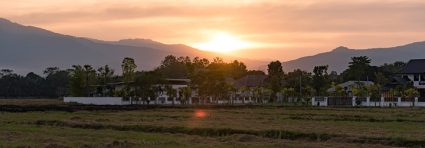
Where you decide to stay long-term also matters. Chiang Mai is affordable and focused, ideal if you want to train hard without burning your savings. Phuket offers beaches and nightlife but comes with more distractions (and more costs). Bangkok is the fight capital – with the top gyms and stadiums. But Bangkok is also pricy and comes with more city trouble and less nature, compared to Chiang Mai.
Good news: You don’t have to do it alone
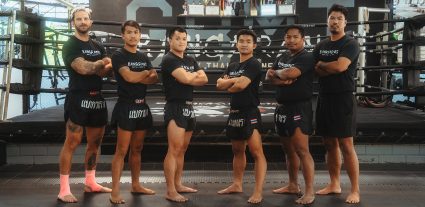
If the idea of paperwork, embassy visits and immigration queues sounds overwhelming, but the good news is you don’t have to figure it out alone. We, at Gym Bangarang in Chiang Mai, not only provide world-class training but also help to guide you through the visa maze. Our DTV Muay Thai Visa is designed exactly for people who see Thailand not just as a training destination, but as a home.
Long-term visa in Thailand – Conclusion
Extending your stay as a Muay Thai tourist doesn’t have to be stressful. Whether you’re driving to the border for a fresh stamp or committing to a full training visa, the key is knowing your options before you arrive. Get the paperwork out of the way early, and you’ll be free to focus on what really matters: Training hard, improving every day and maybe stepping into the ring one day.
Get your DTV Visa up to 5 years with Gym Bangarang. Stay long-term in Thailand and train Muay Thai at the same time! -> Click here to apply